We've watched 1,000+ teams evaluate virtual office software. Here's what separates successful deployments from expensive mistakes.
Virtual offices are a new category. Most decision makers figure out evaluation as they go - comparing features, running half-hearted trials.
Here's the framework that actually works:
1. Get brutal consensus on the problem first
80% of trials fail here. A leader gets excited, rolls it out, watches it die. Why? The team never agreed there was a problem.
Virtual offices work when teams collectively feel:
• Isolation despite being "connected" on Slack
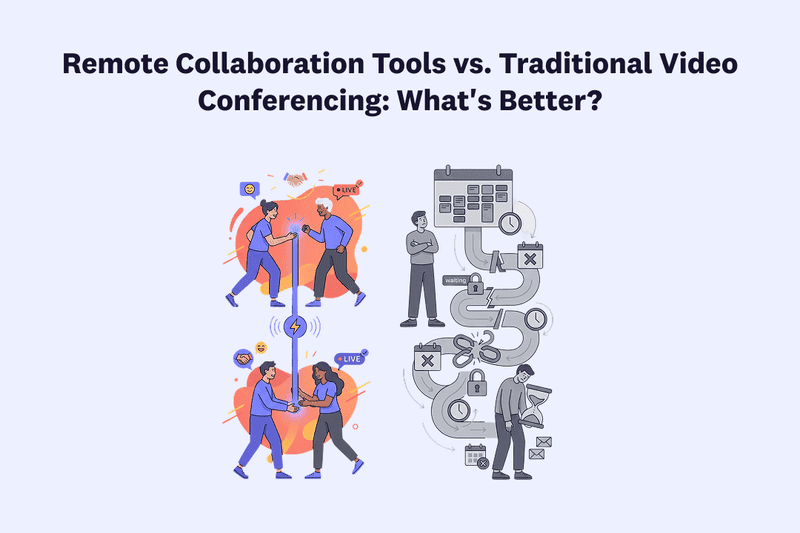
• Overhead of scheduling every interaction
• Not knowing who's available
Need better video? Upgrade Zoom. Chat's fine? Keep Slack. Miss the energy and speed of being together? That's virtual office territory.
2. Test performance on your worst machine
Beautiful 3D environments? Worthless if half your team can't run them alongside work tools.
Teams abandon platforms in hours because no one tested if developers could run them with IDEs. Test lowest-spec machine first - if it works there, it works everywhere.
3. Your use case beats the feature list
Stop asking "what features?" Ask "Does it solve MY problem?"
• Consultancy? One-click guest access beats 50 features.
• Creative agency? Pixel-perfect screen sharing matters most.
• Sales team? Mobile performance from airports.
Choose for YOUR team's needs.
4. Run a proper 2-week pilot
Not three volunteers. Your actual team, actual work, 14 days.
Week 1: Resistance kicks in
Week 2: Natural patterns emerge
Watch for behaviour change: Are meetings decreasing? Calendars opening up? Dropping by desks feeling natural?
Different roles, different benefits:
• Leaders: visibility without micromanaging
• ICs: more done, fewer distractions
• Juniors: actually ask questions
Track drop-in conversations vs scheduled meetings.
5. Set engagement expectations day one
Biggest fear? "Am I being watched?" This isn't surveillance, it's availability.
Define core hours (10am-3pm). Outside that? Personal choice.
Success is when teams stop scheduling "quick chats" - they're already happening. When someone thinks "I'll pop over" instead of "I'll schedule next week."
Reality: Without two full weeks, you won't see behaviour change that justifies investment.
We've documented everything - evaluation template, comparison data.
Framework: https://cosmos.video/how-to-find-best-virtual-office
What's your biggest remote team challenge?
Ready to try Cosmos Video?
See how a persistent virtual office changes the way your team works. Free for up to 4 concurrent users — no credit card, no time limits.
Tags
- virtual office solution
- best virtual office
Stay in the loop
Get the latest articles in your inbox. No spam, unsubscribe anytime.